AI Search Revolution: What Small Business Owners Must Know in 2026
How ChatGPT, Perplexity, and AI overviews are changing customer discovery and what you can do about it.
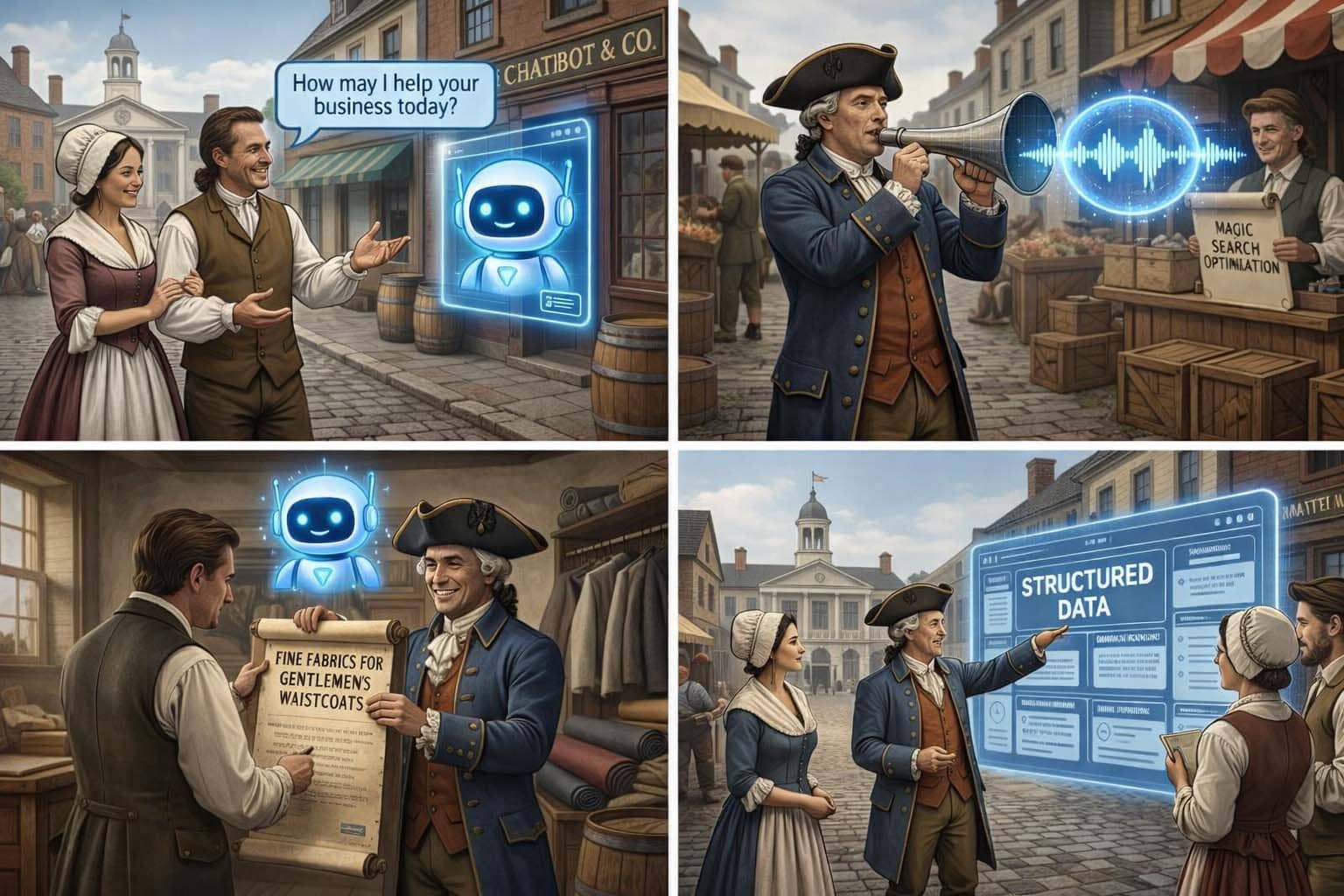
📹 Acknowledgment: This article was inspired by and draws insights from Julia McCoy's excellent video analysis on the AI search revolution. We highly recommend watching her in-depth discussion for additional perspectives on this rapidly evolving landscape.
What's happening right now is not some distant future prediction. Google's market share dropped below 90% for the first time since 2015. ChatGPT doubled its users from 400 million to 800 million in just seven months. Perplexity AI grew 239% in under a year and now fields 780 million monthly queries.
If you're a contractor, home services professional, or local business owner wondering why your website traffic isn't what it used to be, this isn't your imagination. The search landscape is transforming, and understanding what's happening will determine whether your business thrives or struggles in the next three years.
The Numbers Behind the Shift
Google's market share dropping below 90% might not sound dramatic until you realize what that means. Every percentage point represents $1.5 to $2 billion in lost ad revenue. But the real story is where those users are going.
2.5B
Daily prompts on ChatGPT
780M
Monthly Perplexity AI queries
24%
Of Americans now use ChatGPT first
The ratio of Google users to AI search users went from 10:1 to 4.7:1 in just 12 months. Among Gen Z, who represent your future customers, 41% prefer TikTok over Google as their search engine. This shift is accelerating, and traditional SEO strategies are losing effectiveness.
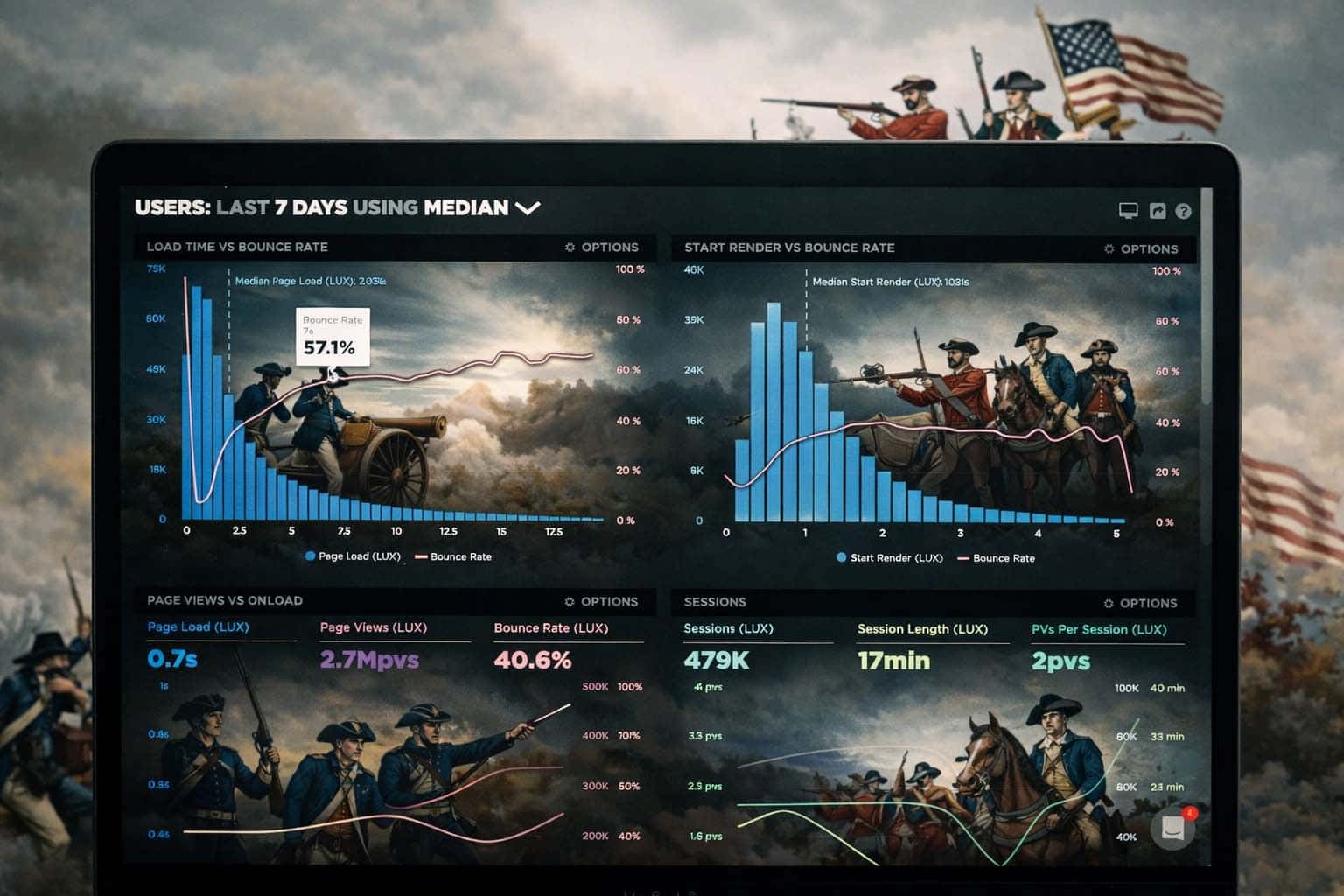
What This Means For Your Business
You might rank number one for your target keywords and still lose 88% of your traffic. That's not a typo. Organic click-through rates for queries with AI overviews dropped from 1.76% to 0.61%, a 61% decline.
Here's the problem. Sixty percent of Google searches now end without any click to a website. On mobile devices, that jumps to 77%. People get their answer from Google's AI summary or ChatGPT and leave. Your website never gets a chance.
Google's AI overviews now appear in up to 47% of search results, depending on your industry. When they appear, the zero-click rate jumps to 83%. For education-related queries, AI overviews show up in roughly 50% of results. For relationship-related queries, it's 61%.
Reality Check
Position number one in Google results now delivers a click-through rate of just 19%. Before AI overviews, it was 28%. The value of ranking number one just dropped by a third.
But wait. There's a twist. While overall traffic might be dropping, the quality of visitors who do click through is actually higher. AI-driven referral traffic generates 80% more revenue per visit for travel sites. Retail sites see 23% lower bounce rates with 12% more page views from AI-referred visitors.
Understanding AI Citations
The game is no longer about rankings. It's about citations. When someone asks ChatGPT or Perplexity a question, these platforms decide what sources to cite based on completely different factors than traditional Google search.[1]
AI platforms prioritize semantic clarity over keyword density. They want concepts explained clearly without jargon, not keyword-stuffed content. Structural organization matters more than ever. Clear headings, lists, and logical flow[2] that AI can parse and extract from.
What Makes Content AI-Citable
- Factual density: Statistics, data points, and cited research. AI platforms prioritize content rich in verifiable facts.
- Authority signals: Links from credible sources and strong brand mentions carry weight.
- Content freshness: Perplexity especially prioritizes content under 90 days old. [3]
- Citation-ready passages: Standalone paragraphs that directly answer specific questions without requiring surrounding context.
- Expert quotations: Not just generic expert opinions, but actual named authorities with credentials.
Each platform has distinct biases. ChatGPT cites Wikipedia 47.9% of the tim[4]e and favors news sites and educational resources. Perplexity draws 46.7% of its sources from Reddit,[5] making community engagement surprisingly valuable. Google AI overviews prioritize content already ranking well with strong experience, expertise, authoritativeness, and trustworthiness signals.

What's Actually Working Right Now
Princeton University researchers tested different content strategies and found three tactics that produced a 40% increase in AI citation visibility. These aren't theoretical approaches. These are proven strategies backed by data.[6]>
Three Proven Tactics
Cite Authoritative Sources
Reference .edu domains, .gov sites, and peer-reviewed research. AI trusts what credible institutions trust.
Include Expert Quotations
Add direct quotations from recognized experts. Not generic opinions, but actual named authorities with credentials.
Use Specific Statistics
Include data points and numbers. Vague claims get ignored. Hard numbers get cited.
But here's the critical shift. Neil Patel calls it "search everywhere optimization" because Google only controls 18% of total daily searches when you count all platforms, social channels, app stores, marketplaces, and AI tools.
Companies winning right now share common strategies. They're building presence on Reddit, Quora, and Wikipedia, the top-cited sources across AI platforms. They're implementing comprehensive schema markup and structured data so AI can parse their content easily. They're developing original research and proprietary data that AI platforms must cite because no one else has it.
Google Fights Back
Just when everyone was writing Google's obituary, something unexpected happened. December 2025 data shows Google's market share stopped falling and actually started ticking back up. According to exclusive Bright Edge Research, Google went from 90.54% to 90.71%, representing approximately $340 million in recovered ad revenue in one month.
Three factors contributed to this reversal. First, ChatGPT's user growth slowed dramatically, suggesting they may have hit market saturation around 810 million monthly active users. Second, OpenAI's GPT-5 rollout disappointed users who expected a massive leap forward but got incremental improvements. Third, Google went to war.
Google aggressively integrated Gemini AI and AI overviews across their entire ecosystem. Instead of losing users to ChatGPT, they're keeping users inside Google by giving them AI answers there. This isn't Google dying. This is Google adapting. And they have resources no startup can match.
What does this mean for your business? Whether Google wins or the upstarts win doesn't matter because either way, the rules have changed permanently. The businesses winning in this new environment treat AI visibility as equally important to traditional SEO, not as a side project.

What You Need to Do Right Now!
The businesses winning in this new environment share three characteristics that you can implement starting today.
Treat AI Visibility as Core Strategy
Don't view AI optimization as something to get to eventually. Make it a core strategic priority alongside traditional SEO. Your competitors are already moving in this direction, and the window for early mover advantage is closing fast.
Create Citation-Ready Content
Design content specifically for citation rather than just clicks. Build citation-ready passages, cite authoritative sources, and develop proprietary data that AI platforms must reference. This means rethinking how you structure your service pages, blog posts, and about pages.
For example, if you're a roofing contractor, instead of just listing your services, create content that answers specific questions like "How long does a shingle roof last in Florida's climate?" with specific statistics, expert quotes, and clear explanations. That's the kind of content AI platforms cite.
Build Authentic Brand Authority
When AI platforms decide who to cite, brand strength matters more than ever. This means maintaining consistent business information across all platforms, generating reviews on multiple sites, creating local content that demonstrates expertise within your market, and engaging with your community both online and offline.
At Lady Lake Web Design, we help small businesses adapt to these changes through strategic web design and digital marketing services that prioritize both traditional SEO and AI visibility. We understand that contractors and home services professionals need practical strategies, not technical jargon.
Key Takeaway
View this shift as a conversion quality opportunity rather than a traffic crisis. Companies establishing strong AI visibility right now are building citation moats that will be incredibly difficult for competitors to overcome later.
The Timeline Ahead
Expert predictions are converging around a few key timelines that every business owner should understand. Gartner predicts traditional search engine volume will drop 25% by 2026, next year, and organic search traffic to websites could decline 50% or more by 2028.
Research suggests AI-powered search traffic will overtake traditional Google search by the end of 2027. That's not decades away. That's within three years. SEO expert Lily Ray put it perfectly when she said that Google's AI mode is likely to become the default experience, and SEO going forward will be very much like multi-channel, multi-modal optimization.
Companies will spend up to five times more on AI optimization than traditional SEO by 2029 according to industry projections. Think about what that means for budgets, for team skills, and for your entire digital strategy.
This Isn't Replacement, It's Convergence
The consensus among experts is that this isn't a complete replacement of traditional search. It's a convergence. The battle becomes Google versus Perplexity, ChatGPT, and emerging players. In that fight, Google's resources, data advantages, and integration across Android, Chrome, and their ecosystem give them massive advantages.
But whether Google wins or the upstarts win doesn't matter for your business because either way, the rules have changed permanently. Once ChatGPT starts consistently citing your competitors for queries in your industry, reversing that perception becomes exponentially harder.
Local Business Opportunities
Here's the good news. While national publishers and major brands are struggling with these changes, local businesses have unique opportunities in this new landscape. AI search is actually better at understanding local intent than traditional search ever was.
When someone asks ChatGPT or Perplexity for recommendations about local services, these platforms prioritize businesses with complete profiles, authentic reviews, and local content that demonstrates real expertise. This levels the playing field in ways that favor small businesses over national chains.
Focus on These Areas
- Complete business profiles: Accurate name, address, and phone information across all platforms. Updated hours, complete service descriptions, photos, and business details.
- Generate reviews: Reviews on Google, Facebook, Yelp, and industry-specific platforms. Respond to every review, good or bad, to show engagement.
- Create local content: Location-specific service pages, seasonal local guides and FAQs, community-focused content and updates, service explainers tied to local problems.
- Strengthen trust signals: Consistent information across all directories, clear contact information on your website, accurate listings across all platforms, professional branding and messaging.
If you're a contractor in Central Florida, this means creating content about specific challenges in your area. How does Florida's humidity affect indoor air quality? What roofing materials perform best in Florida's heat? How do pool contractors handle limestone in this region? These are the kinds of specific, local questions that AI platforms want to answer with citations to local experts.

Measuring Success
You can't optimize for what you can't measure. Traditional analytics tools show website traffic, but they don't tell you whether your business is being cited in AI platforms. This creates a blind spot for most business owners.
Start tracking new metrics alongside your traditional analytics. Monitor share of voice in AI-generated answers, which prompts and questions trigger your brand mentions, how often competitors get cited instead of you, and conversion rates from different traffic sources.
Brands cited in AI overviews earn 35% more organic clicks and 91% more paid clicks than those not cited. Getting mentioned in the AI answer doesn't replace traffic. It amplifies everything else you're doing.
Success Looks Different Now
Companies tracking share of AI voice rather than just rankings are discovering that being referenced in AI summaries builds more credibility than ranking number one in traditional results. You're being endorsed by the AI as a trusted source.
Think about that from a consumer perspective. If ChatGPT cites you as the answer, that carries weight. It's like having a third-party validator for your expertise. This is why businesses that understand this shift are viewing it as an opportunity rather than a threat.
AI Search FAQs for Small Business Owners
Moving Forward
The question isn't whether to adapt. The question is how quickly you can transform your digital presence for the AI-first discovery era that's already here. This isn't coming. This is now.
The window for early mover advantage is still open, but it's closing fast. Companies establishing strong AI visibility right now are building citation moats that will be incredibly difficult for competitors to overcome later. You're not just competing for rankings anymore. You're competing for AI's trust.
Focus on creating helpful, people-first content that answers real questions your customers are asking. Build authentic authority in your local market through consistent business information, genuine customer reviews, and content that demonstrates real expertise. Treat AI visibility as equally important to traditional SEO, not as something to handle later.
The brands that move first will own the next decade of search visibility. Whether you're a roofing contractor, HVAC technician, pool builder, or any other local service provider, understanding these changes and adapting your strategy now will determine your success in the years ahead.
Need Help Adapting Your Digital Strategy?
At Lady Lake Web Design, we specialize in helping Central Florida contractors and small businesses adapt to the changing digital landscape. We combine traditional SEO with AI-optimized content strategies that get your business cited in the platforms your customers are using.
References
- Pranjal Aggarwal et al., "GEO: Generative Engine Optimization" (Princeton University, Georgia Tech, Allen Institute for AI, IIT Delhi, 2023). https://arxiv.org/abs/2311.09735
- "Topical Authority vs. Keyword Density: What AI Search Engines Really Value," Insight Land (2025). https://insightland.org/blog/topical-authority-vs-keyword-density/
- "The 2025 Perplexity Playbook: Sonar Ranking Factors," Growth Marshal (2025). https://www.growthmarshal.io/field-notes/the-perplexity-playbook
- "AI Platform Citation Patterns: How ChatGPT, Google AI Overviews, and Perplexity Source Information," Profound (2025). https://www.tryprofound.com/blog/ai-platform-citation-patterns
- Barry Schwartz, "ChatGPT Sources Mostly From Wikipedia While Google AI Overviews & Perplexity Rely On Reddit," Search Engine Roundtable (2025). https://www.seroundtable.com/chatgpt-google-aio-sources-39578.html
- Pranjal Aggarwal et al., "GEO: Generative Engine Optimization" (Princeton University, Georgia Tech, Allen Institute for AI, IIT Delhi, 2023). https://arxiv.org/abs/2311.09735
Ready to Future-Proof Your Business?
Learn more about our web design and digital marketing services designed specifically for contractors and local businesses.
Visit Lady Lake Web Design